The British & Canadian D-Day Turtle Helmet, officially designated as the Mk IV Helmet, is one of the most distinctive combat helmets of World War II. Designed in Britain for assault troops, it offered enhanced frontal and side protection during amphibious landings and frontal attacks.
This reproduction follows the Mk IV pattern, a later development of the earlier Mk III helmet. While both versions share the same iconic shape, the Mk IV was standardized and more widely produced from 1944 onwards. In both historical sources and the reenactment community, Mk III and Mk IV helmets are commonly grouped under the collective name “Turtle Helmet.”
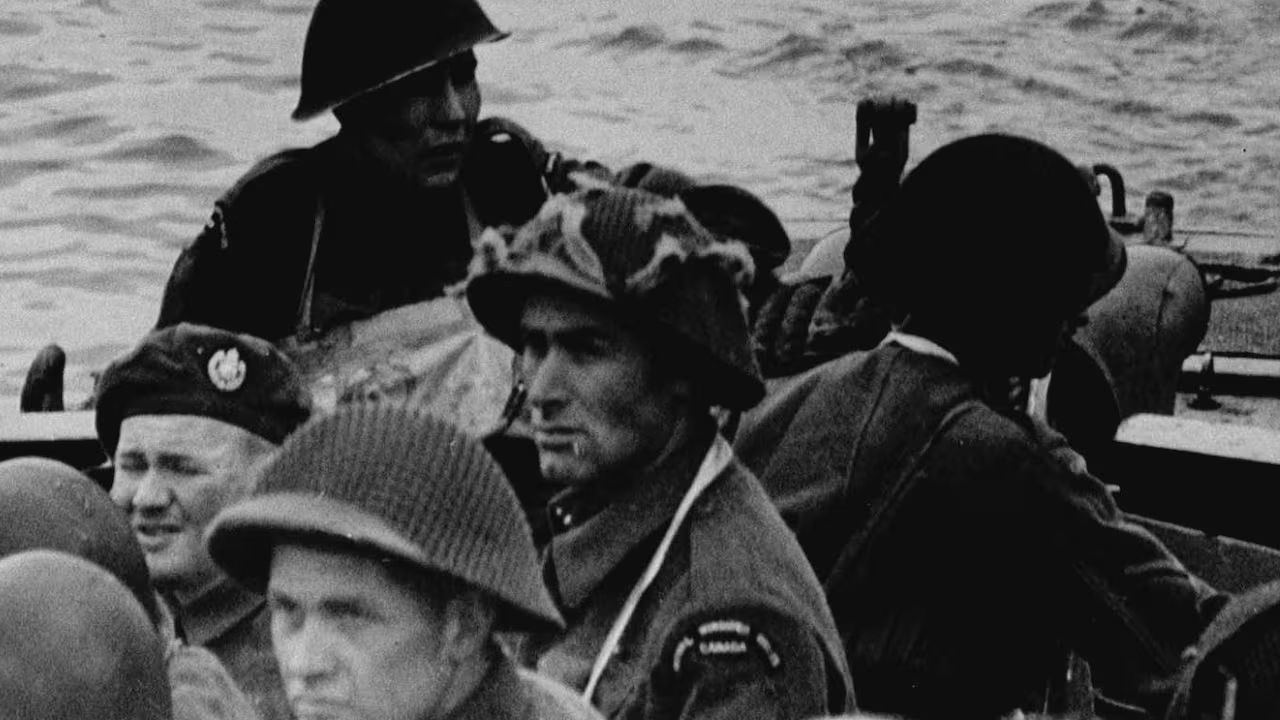
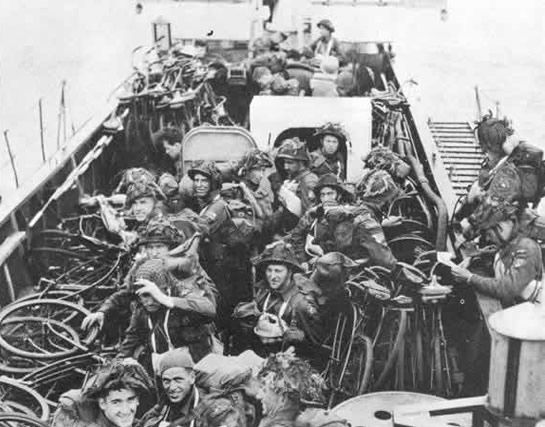
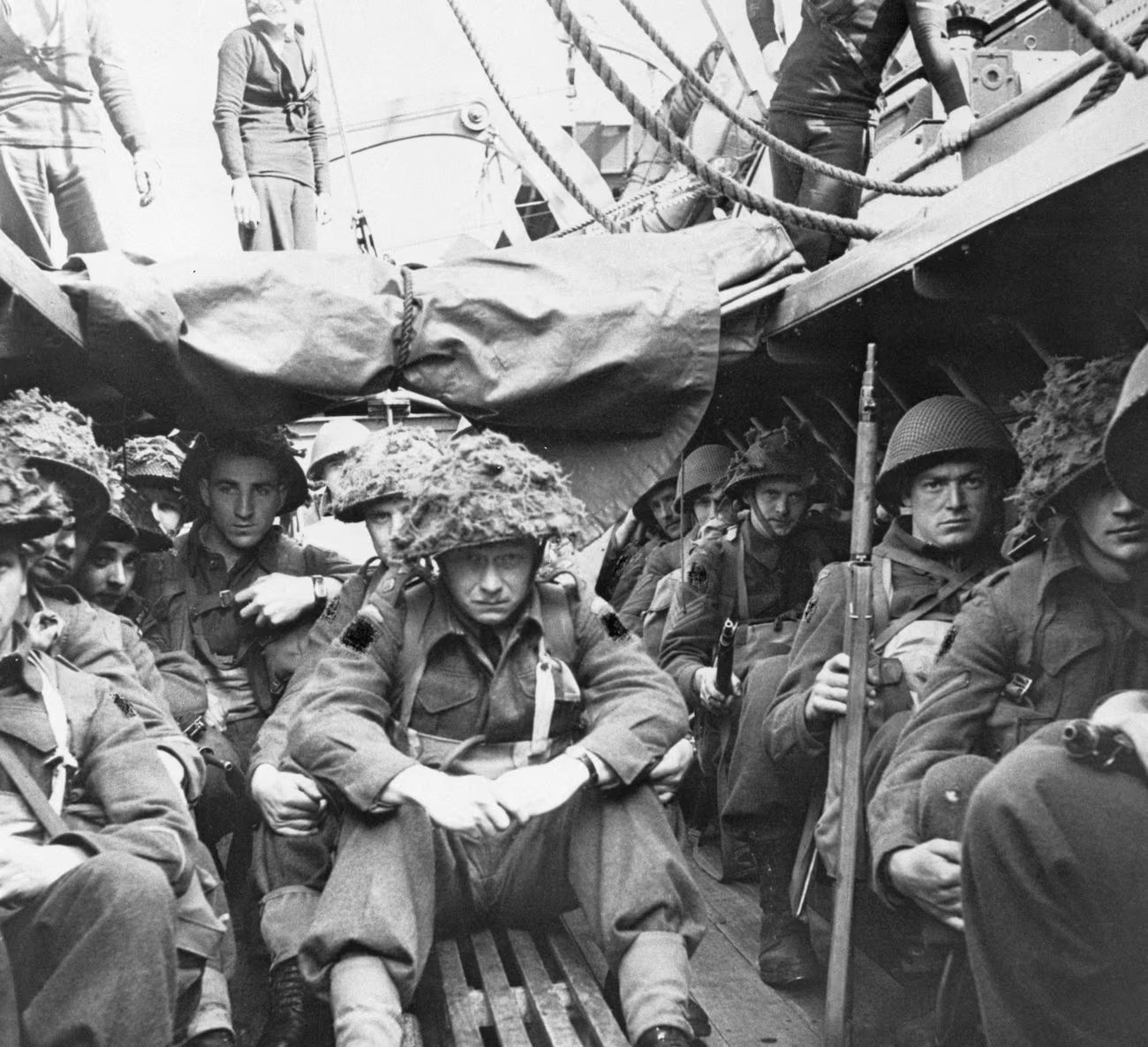
On D-Day, 6 June 1944, this helmet was worn in particularly large numbers by Canadian troops of the 3rd Canadian Infantry Division during the landings on JUNO Beach, giving it a strong historical association with Canadian D-Day forces. British units on GOLD and SWORD Beach also used the helmet, though in smaller quantities.
Ideal for WW2 reenactment, display, educational use, and collections, this helmet is an essential item for an accurate British or Canadian D-Day impression.
Subtle historical advice (cross-sell)
Historically paired with British or Canadian 1937 Pattern webbing, assault equipment, gas mask bags, Battle Dress, and D-Day-specific combat gear used during Operation Overlord.
Historical Context (EN)
The Turtle Helmet was introduced in 1943 as the Mk III, specifically designed for assault troops exposed to intense frontal enemy fire. Compared to the earlier Mk II helmet, it provided increased protection to the front and sides of the head, with reduced rear coverage.
In 1944, the Mk IV was introduced as a refined continuation of the same design, focusing primarily on production standardization rather than functional changes. As a result, Mk III and Mk IV helmets are visually very similar and are often regarded as a single helmet type in historical use.
During D-Day, the helmet saw extensive use among Canadian assault troops on JUNO Beach and remained in service throughout the subsequent campaigns in France, Belgium, and the Netherlands.